Food Sharing Initiatives (FSIs) are increasingly recognised as powerful tools for sustainable urban transformation. Yet, despite their potential to reduce food waste and strengthen local resilience, many FSIs struggle to establish themselves, operate smoothly, or scale beyond small networks.
A newly published scientific article in the Journal of Cleaner Production offers one of the most comprehensive overviews to date of what holds food sharing back. The paper, “Challenges, risks and costs of food sharing: Insights from a systematic literature review,” authored by Vera Sadovska, Yuliya Voytenko Palgan, and Oksana Mont from Lund University, systematically reviews 55 academic studies to identify the major obstacles that FSIs face.
The study responds to a key gap in academic and policy discussions: while food sharing is often presented as inherently positive, less attention has been paid to its “real-world” operational difficulties. Drawing on evidence across the literature, the authors classify:
- Six main categories of challenges affecting the establishment and daily functioning of FSIs,
- Six main categories of risks (including safety, health, governance, and reputational risks), and
- Seven types of cost burdens, spanning early set-up costs, ongoing operational costs, and the investments needed for scaling.

These barriers are not merely administrative: they can determine whether an initiative survives beyond its pilot stage. Costs and risks often emerge at multiple phases of development, and the study highlights a need for a more detailed understanding of how investments shift from start-up to growth and long-term maintenance.
By synthesising the evidence, the authors also propose nine mitigation strategies to reduce the barriers FSIs face. These strategies point to the importance of stronger collaboration among public authorities, policymakers, health and safety bodies, retailers, charities, and civil society organisations, and call for more targeted support for food sharing ecosystems.
“By addressing these overlooked aspects, we can empower food sharing to truly reshape urban environments,” said the authors of the publication.
Read the full article here: https://www.sciencedirect.com/science/article/pii/S0959652625026496
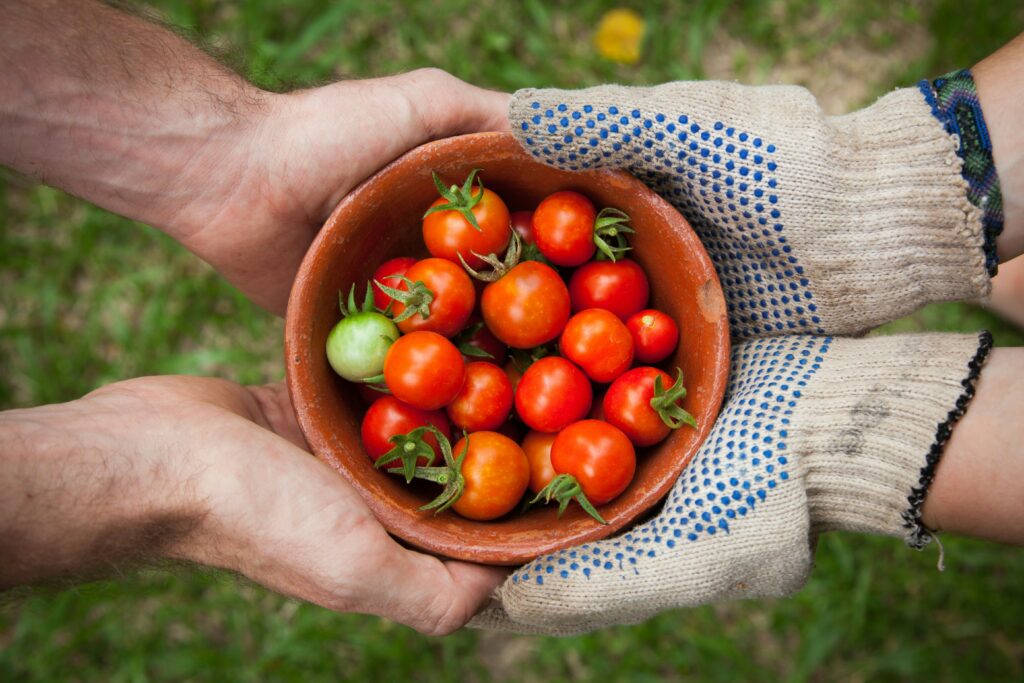
Photo Credit: Nico Smit via Unsplash