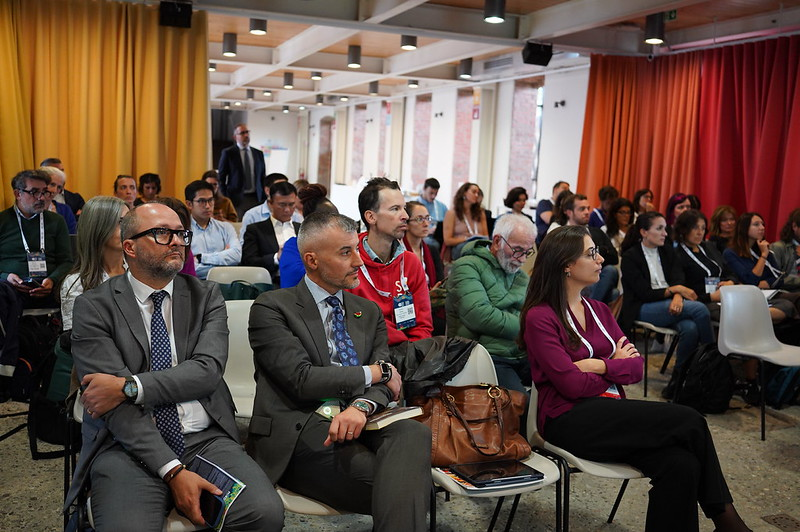
The CULTIVATE project has published Lessons from the Policy Dialogues, a white paper on how European cities can help food sharing initiatives last. Its central message: public authorities do best when they convene and connect these initiatives, rather than absorb or manage them.
Download the white paper here.
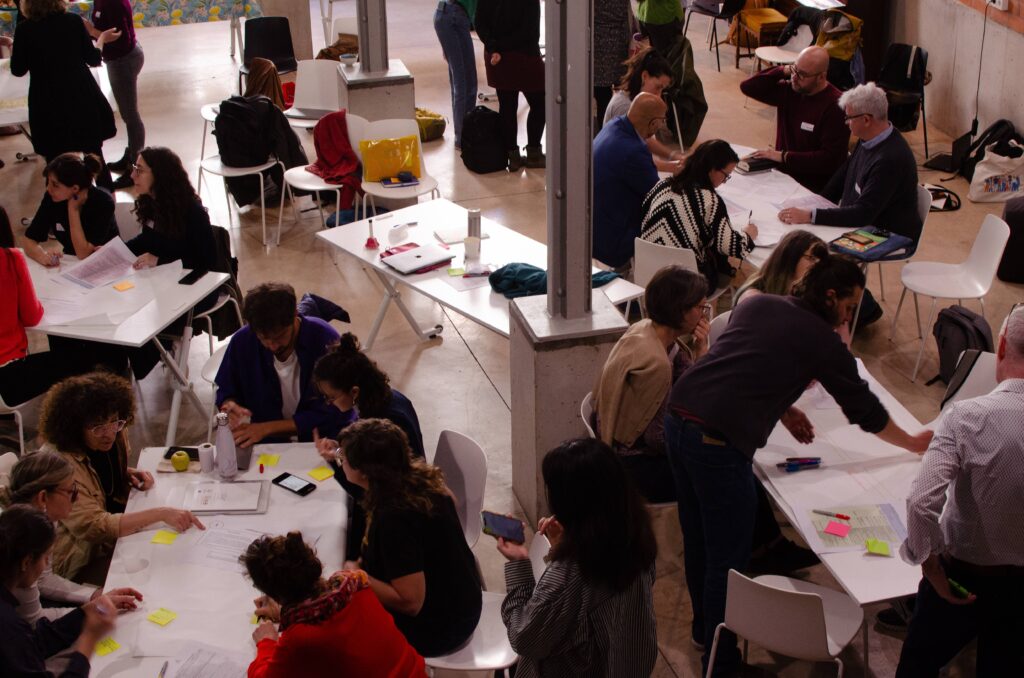
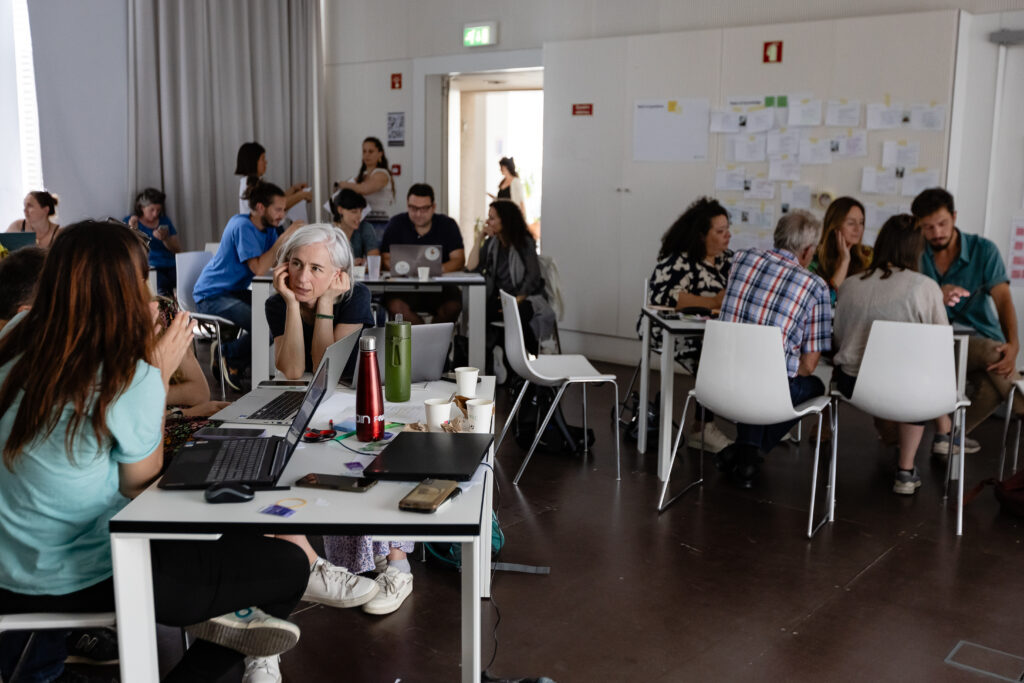
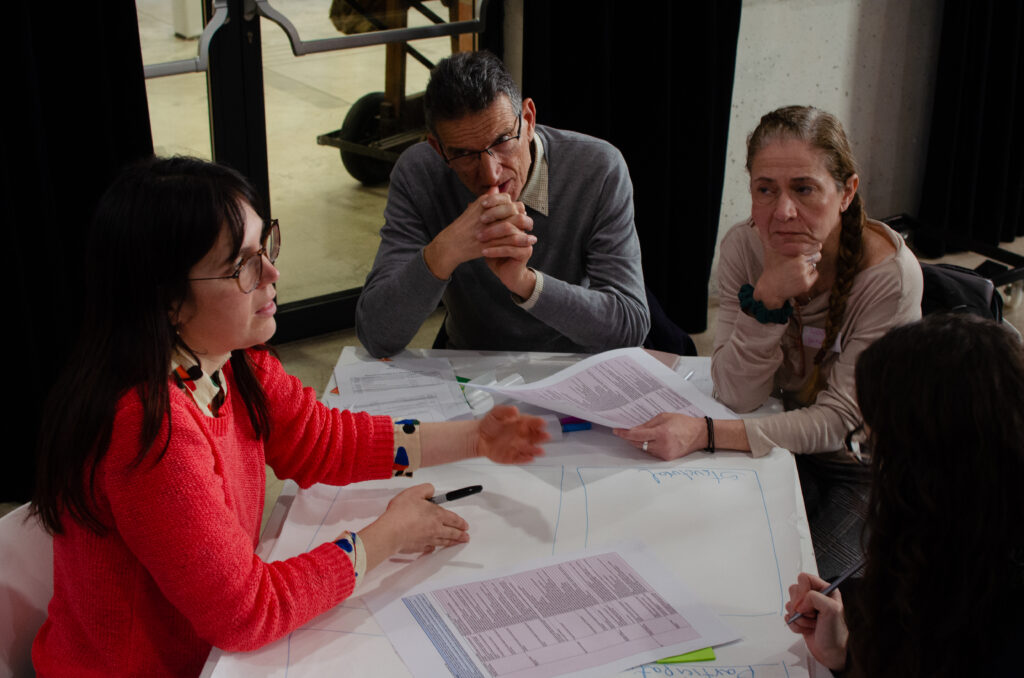
Led by the Municipality of Milan, the paper draws on three policy dialogues held between October 2025 and June 2026. Each brought together around 50 policymakers, researchers, practitioners and civil society representatives:
- Milan: public-private partnerships for food waste reduction
- Barcelona: wholesale markets as infrastructure for the social and solidarity economy
- Utrecht: what food sharing delivers for wellbeing, social cohesion and health
Drawing on eight local practices, from Mercabarna’s Foodback centre in Barcelona to Hub Loreto in Milan, participants found that:
- governance works best when the public administration convenes without owning;
- impact measurement should be proportionate, so it does not burden the volunteers initiatives depend on;
- outdated food safety and commercialisation rules, and short-term funding, remain the main structural barriers.
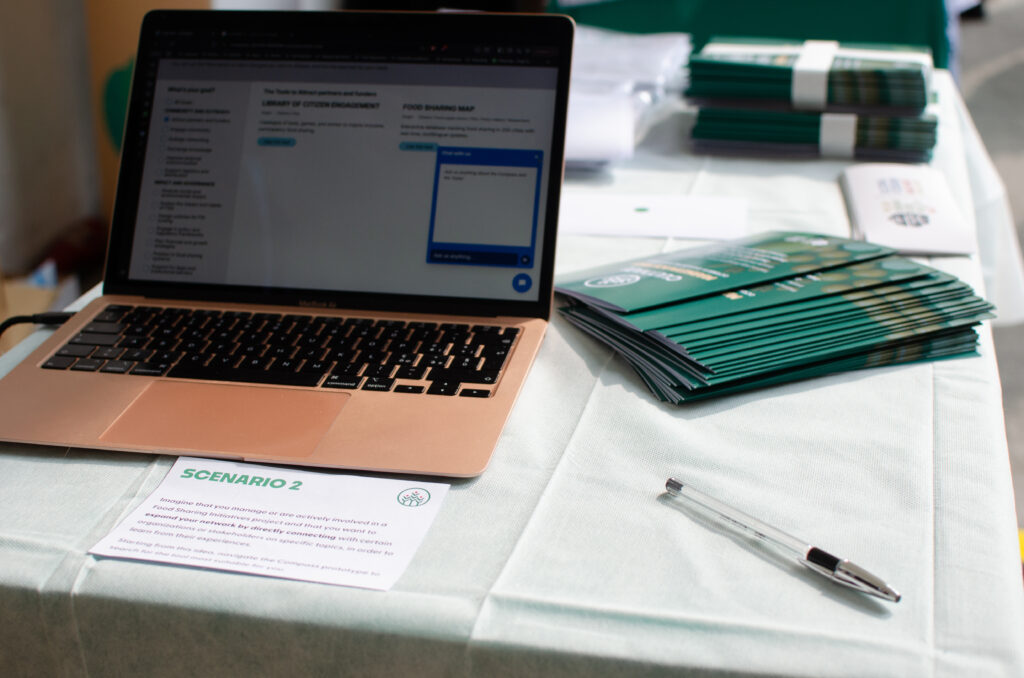
Each recommendation names who is best placed to act, from EU institutions to city governments, funders and the initiatives themselves. The findings are linked to the Milan Urban Food Policy Pact, the Urban Agenda for the EU Partnership on Food and CULTIVATE’s Food Sharing Compass, a set of five tools for initiatives and policymakers.
The document is available on the Resource section of the website and on CULTIVATE’s Zenodo page.