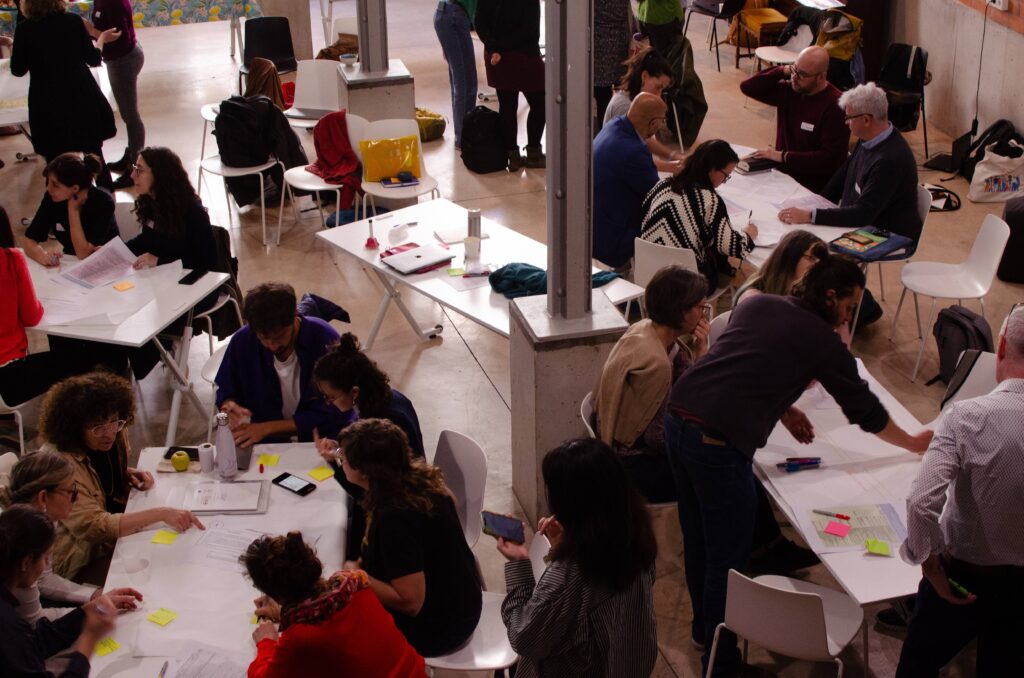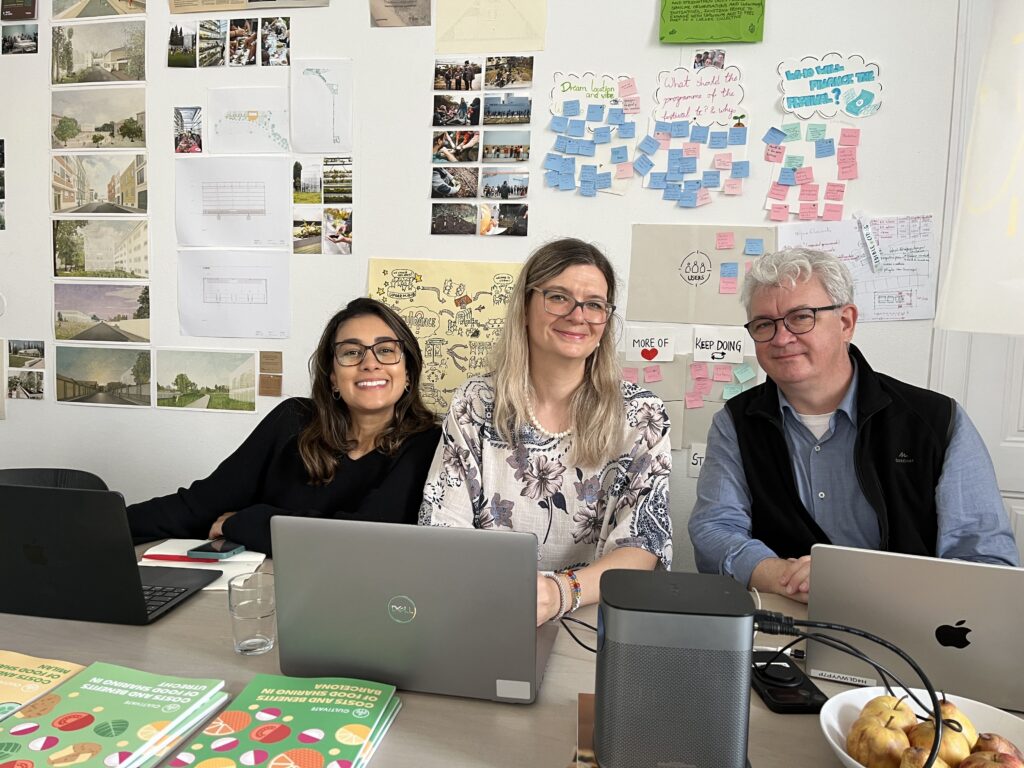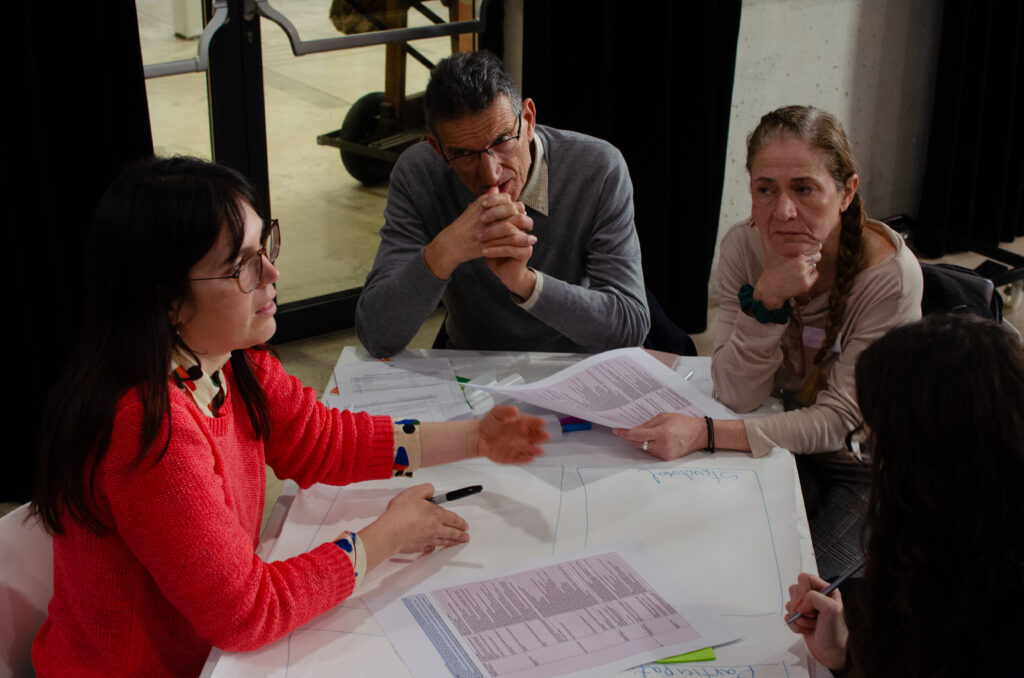
At the heart of the brief is participatory scenario planning: a structured way of bringing diverse actors together to imagine plausible futures and stress-test today’s decisions against them. By convening policymakers, private actors and civil society to co-create pathways for urban food sharing and test them against exploratory future scenarios, this approach helps anticipate challenges, identify adaptive strategies and strengthen the capacity of cities to deliver positive impacts in fast-changing contexts. The brief helps turn that method into concrete guidance for embedding scenario planning into food governance.
The approach responds to a pressing reality. Cities are under growing climate, social and food-system pressure, and while food sharing initiatives offer real benefits, their impact is often limited by fragmented governance, weak funding, unequal participation and poor integration into policy. The recurring question is how cities can amplify what food sharing can achieve.
Recommendations across four dimensions
Drawing on the CULTIVATE workshops, the brief distills actionable recommendations for policymakers and practitioners across four dimensions of the scenario planning process, each grounded in a concrete example:
- Workshop preparation and relevance: choose locally meaningful topics, name trade-offs openly and value both technical and experiential knowledge.
- Participant selection and engagement: promote diversity, remove financial, linguistic, mobility, digital and caregiving barriers, and build safe, trusting spaces.
- Workshop facilitation: manage power dynamics, alternate between individual reflection, small-group and plenary formats, and provide accessible visual outputs.
- Translating outputs into policy and practice: build participants’ capacity, integrate results into local agendas and track impact over time.
The publication builds on CULTIVATE’s first policy brief, which mapped the governance barriers constraining urban food sharing and set out high-level recommendations to address them. Where the first brief asked why food sharing’s potential remains untapped, the second offers a hands-on method for cities to unlock it.
Readers who want to go further can consult the accompanying Guidebook on inclusive, participatory and resilient scenario planning for sustainable urban food sharing, which provides practical tools for applying futures thinking to urban food systems.
Photo credits: Leonardo Improta